



















When people talk about addiction with teenagers, the first thing that comes to mind in most is drugs and alcohol. But there is a silent rising contender almost going unnoticed—gambling. It is currently becoming one of the biggest problems of our generation.
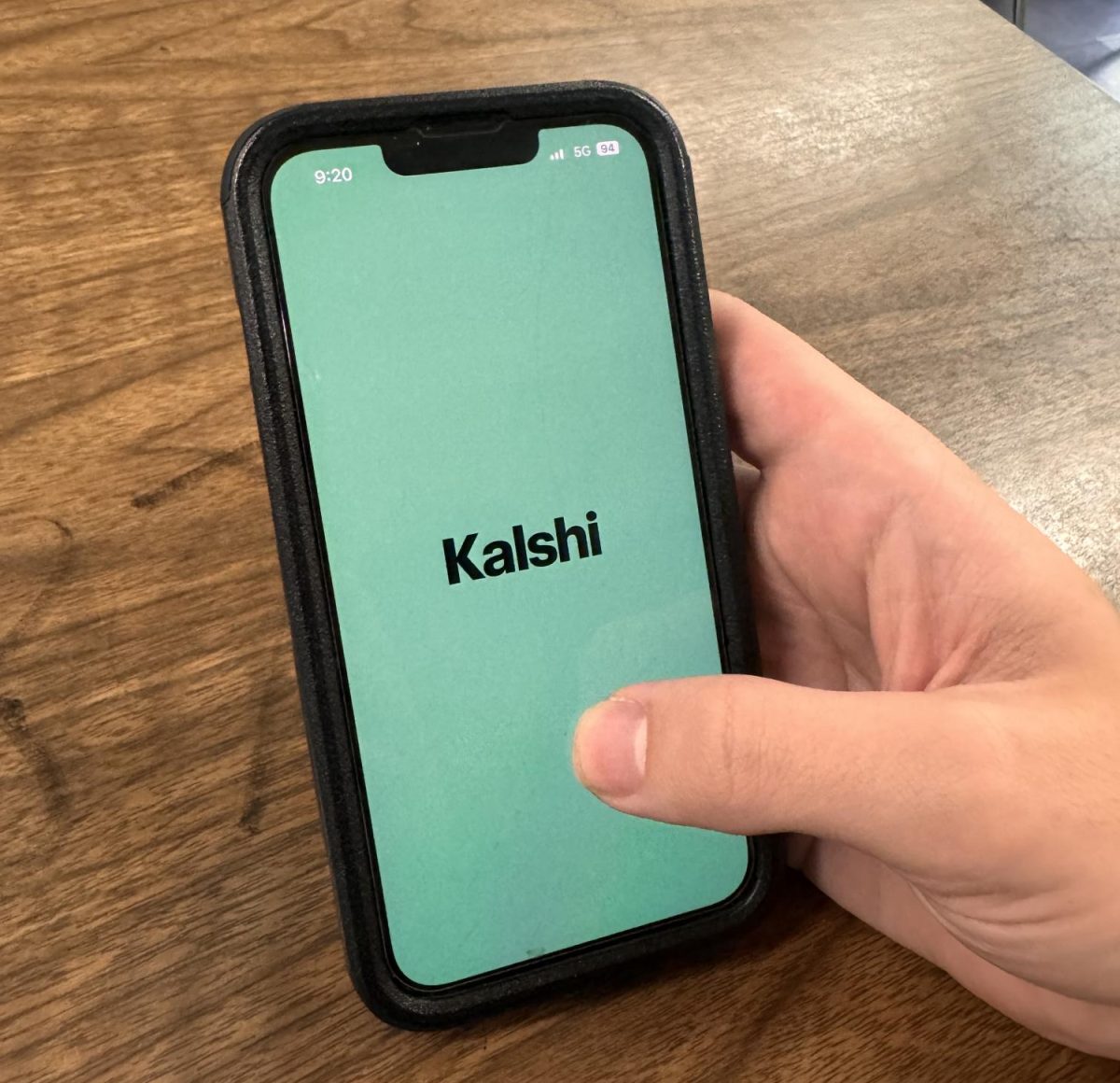
Recent 2026 data shows just how serious it is. According to the National Council on Problem Gambling, about 65% of adults say they gambled before turning 21. This statistic doesn’t even factor in prediction markets, which are platforms where people bet on the outcome of real world events, like elections, sports, and even the weather. They’re often framed as “trading possible outcomes” instead of gambling. If I am being honest, that just sounds like gambling to me.
The bigger issue is access: many of these prediction platforms allow 18 year olds to participate legally, which means high school seniors can go straight from being underage to suddenly having full access to betting their money. Research from Birches Health found that around one in three boys ages 11–17 have gambled in the past year. This has shifted from an issue among a small percentage of teens to being a full wide pandemic.
And it’s not slowing down. A 2026 report highlighted by MarketWatch described youth gambling as being “turbocharged” by online apps and easy access. This isn’t just gradual growth. It’s fast, and it’s happening right now.
So why is this happening?
The number one reason is access. Gambling used to require you to go somewhere, like a casino. Apps make it way more simple, and way more addictive. There’s no barrier anymore. Even if something is technically 18+, it’s not that hard for teens to get around it using VPNs, parent IDs, etc.
Another reason is how early people are being exposed. According to the same 2026 data, a huge percentage of people are introduced to gambling before the age of 18. Once something feels “normal” at a young age, it doesn’t seem very destructive later.
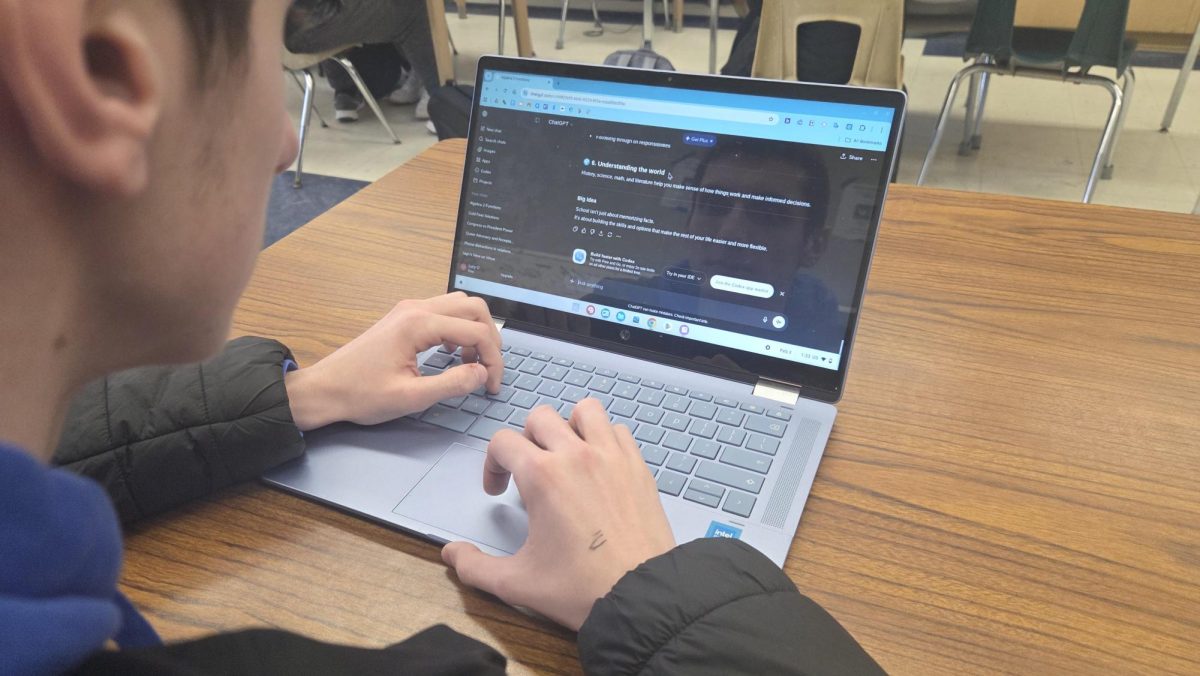
And that’s where social media comes in. Platforms like TikTok, where the majority of the younger generation are dedicating their free time, have become filled with subtle gambling ads. The most famous style of ad is usually in the middle of a prank video, where during the prank, the recorder pulls out their phone and plays a quick game on a gambling site like Stake and PackDraw. This form of advertisement snuck its way into being mainstream because on TikTok, gambling jokes started off as an ironic jab at getting addicted to something. This has been utilized by companies to give us ads without us even realizing it, and slowly molding us into addicts of their products.
Experts from organizations like the Child Mind Institute warn that this kind of exposure is a big reason youth gambling is increasing. It’s everywhere: in apps, in games, and now in the content we scroll through every day without thinking.
The scariest part is the risk. According to reporting cited by ABC News, young people are more likely than adults to develop gambling problems, with addiction rates estimated between 2–7%. While these numbers seem small, when it’s millions of teenagers, percentages add up fast.
What we have here is simple, gambling among teens is rising astronomically, and it’s becoming more normalized. If people keep ignoring it, consequences will follow.