






















In the 2010’s, there was a change. At first, it wasn’t noticeable, barely a ripple in the zeitgeist. A blink of the eye, and you’d miss it. An invisible force, working in the background, like malware on a computer, working, coalescing, collecting everything there is to collect. It was utterly neutral in its processes, amazing those who didn’t know, and dismaying those who knew too much. And then, in 2021, this overseeing force was completely undeniable. What had been existing as a background process, turned into the full software. It’s here, it’s happening now, and it’s getting dire.
In the past years, AI has become the most polarizing topic in the world. It’s gone from being the funny thing that can beat a grandmaster in chess, to becoming a tool used to spy on, collect and hoard the very identity and data of citizens all across the globe. Granted, these processes have existed for a while. However, with the rapid advancements of technology today, we know exactly how these things are growing and evolving, and why it seems the world has become suddenly dependent on its existence. But besides the major front-facing issues we all are aware of, there is one big problem that is now just coming into the spotlight, one most of us hadn’t even thought about: How is all of this actually functioning?
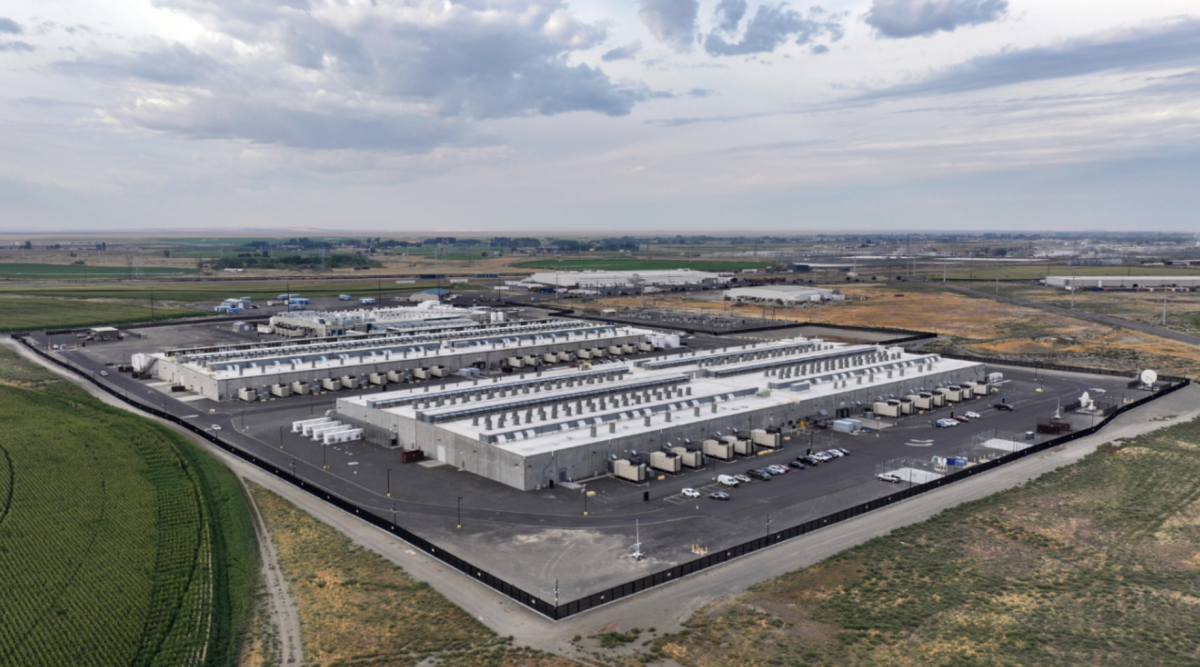
Datacenters have been around for a while, and frankly, they are necessary to uphold the internet-filled life we live now. But with the demand of AI rapidly skyrocketing, hulking datacenters are appearing all across the globe to uphold the functionality of AI. But there is a cost to these datacenters, a devastating ecological and human cost.
To function, datacenters require hundreds of thousands gallons of water to cool off its servers and technology. With one datacenter in Virginia consuming about 1 million gallons of water per day, which is about the same amount of water consumed by 20,000 homes. While the water cycle does exist for a reason, about 70% of the water used by datacenters daily is turned into steam, which is then turned into rain through condensation and is ultimately transported away from these local water systems, adding to already dire water scarcity within certain regions. Water isn’t the only resource being strained by AI, however.
As of 2025, AI datacenters accounted for 4.4% of the U.S.’s total energy usage. This number is expected to triple by 2028. The rising need for energy is directly causing carbon emissions to skyrocket. Coal and natural gas are the primary methods used to power data centers, but these methods will be squeezed for more and more energy as the amount of data centers rise. The ecological cost isn’t the only cost of the data centers too, some people are being severely affected by faulty datacenter regulations and their cancerous growth.
Residents in Hood County, Texas, have reported cases of hearing loss, tinnitus, vertigo, chronic headaches and even fainting over the course of the past year, due to a recently introduced AI data/bitcoin mining hypercenter. Its cooling fans emit high-decibel, low frequency hums that whir constantly and are not completely audible to the ears, but have devastating effects on the brain and psyche. Farm animals and family pets have either died or lost all sense of hearing due to the animals’ more sensitive ears. These small towns that accept datacenters into their homes, usually suffer more than you’d expect.
AI datacenters promise jobs and plenty of roles for townsfolk, but realistically, these companies contract larger, more trustable companies, to do the building, planning, wiring, security and all the dirty work for them. The very minimal number of people who work in datacenters after their completion, are all contracted and almost always out of state, the townspeople barely benefit from the installation of the data center.
Things are being done to combat the effects of AI datacenters mentally, geologically, and conservationally. Newly produced AI datacenters are turning to closed-loop cooling systems, meaning that the water used to cool the servers are continuously filtered and refined, and the water used from a town’s water plants and aquifers become much less strained. Sound barriers are also becoming more commonly used to block off the sound produced by the datacenter.
However, the overall issue remains. AI has been continuously promised to make your life easier, to make working pointless, and give you the free time to do what you’d like. This is not true. AI will become a crutch for companies to lay off multitudes of people, to save as much money as they can. AI will drain small communities of all their resources, and give nothing back to them. The more we reject these datacenters from coming into fruition, the better chance we have of preventing this future from happening. This is no longer about “efficiency”, this is simply about survival. We have to make the right choice.