





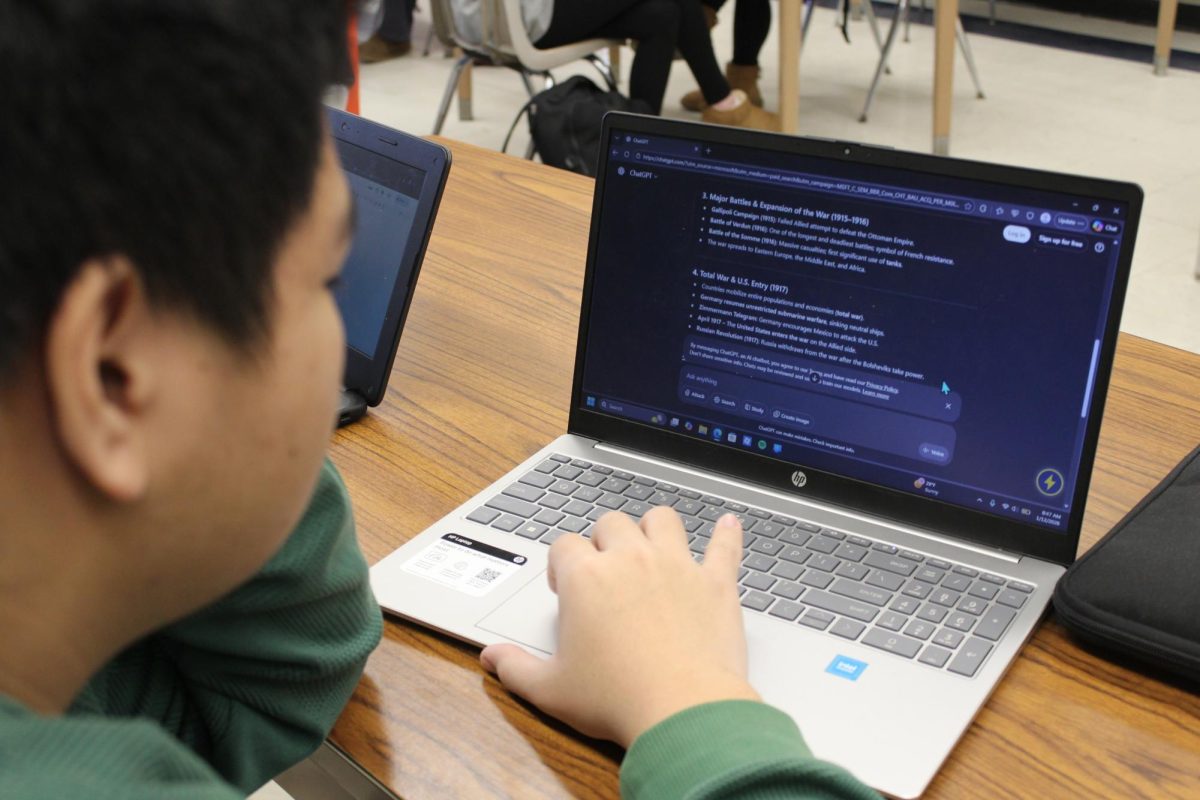
Teachers across BHS have a variety of teaching methods. Some use only hands-on lessons and others use online documents. One thing that divides the teachers is the use of artificial intelligence (AI). Whether they use it to design lessons, try their best to prevent students from getting answers from it, or allow students to use it for certain assignments, it affects most if not all teachers in some way.
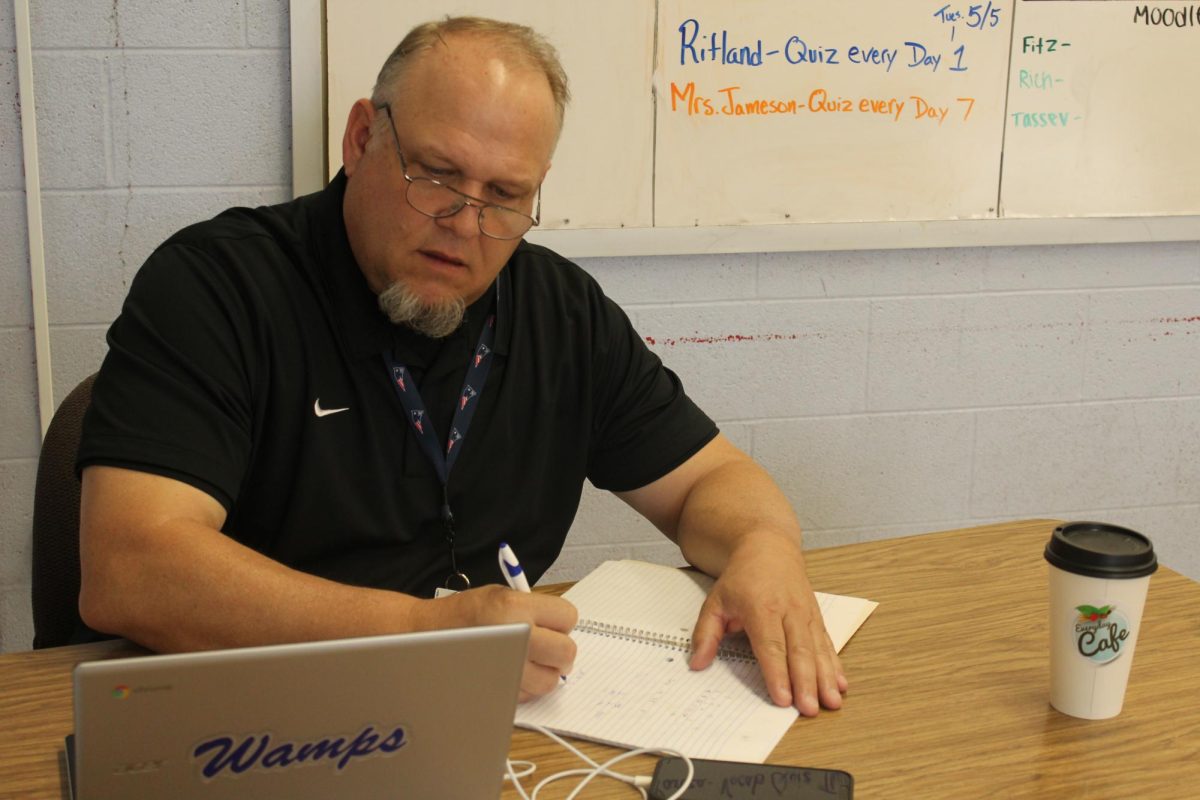
“It’s got advantages and disadvantages. If you know how to use it, then I think it has a lot of benefits,” explained history teacher Mr. Ritland. “I have used it for helping to find student resources, but not for designing lessons.”
Some teachers really like using AI as it can save them time and provide the basics of a lesson. AP Human Geography teacher, Mr. Haupert, uses AI to summarize videos and help in creating questions for his classes to respond to. Teachers can also use AI to summarize an entire unit of material in order to create study guides for mid-term exams.
“It would at least give us a framework of some questions to ask students, but that being said, it’s not something that you just put into AI and give it to your class.”
Students can use AI too. Mr. Haupert has multiple ways for students to use AI with projects or studying.
“I can use AI in different ways to have students do image generation. You can use it for creativity like that. It also can be helpful for students to define terms and find an example.”
AI can be used for more than just classwork. Enzo Godoy, a BHS sophomore explains how AI has helped him catch up to his peers.
“A lot of teachers have used it to help me catch up when i joined this school in the middle of the year. They always allowed me to translate when I was learning English.”
Additionally, AI can save time for teachers and even put them ahead of their schedule to give them more time for grading and personal hobbies.
“I think it’s a useful tool, and it can make our lives easier and shorten how much time it would take us to watch a 10-minute video and generate questions. It would at least give us a framework of some questions to ask students, but that being said it’s not something that you just put it to AI and give it to your classes,” Mr. Haupert said.
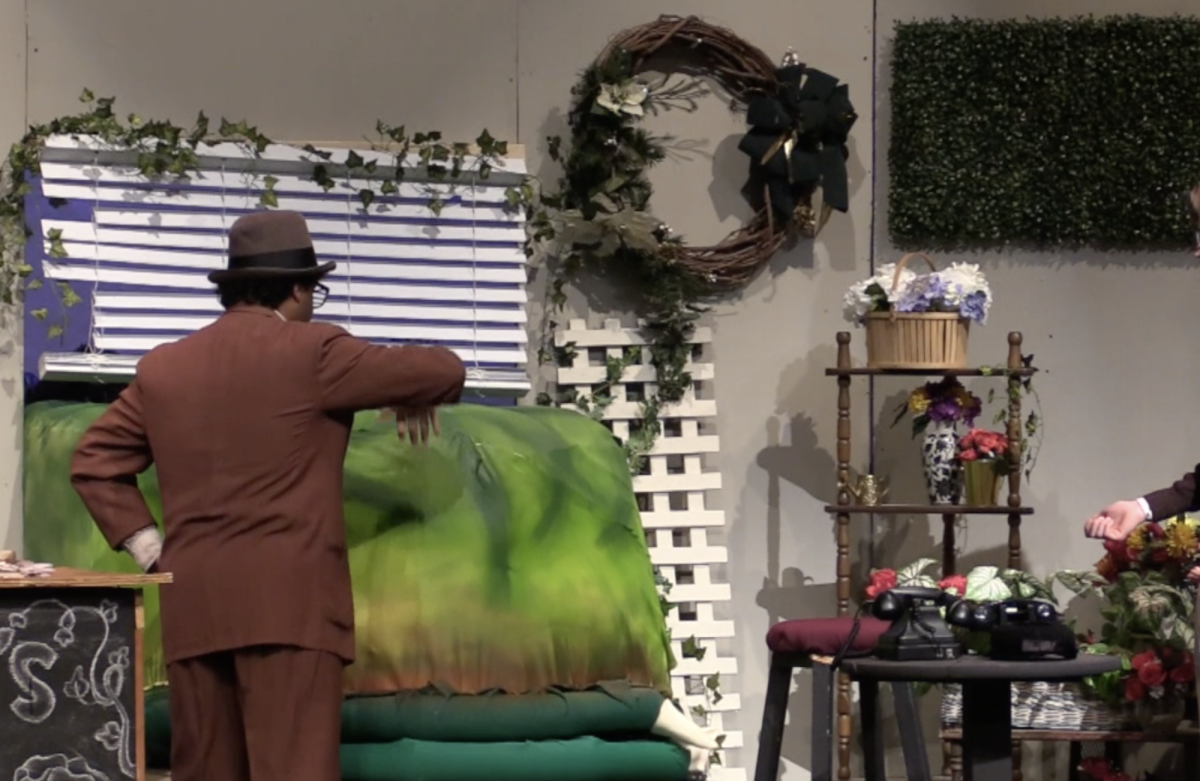
Although there are some positives, a student using AI won’t truly understand the material unless they do it themselves. This idea is expressed by Mr. Ferguson, an English teacher on the third floor. He is very involved within the theater guild and guides the tech crew.
“It can be helpful as a tool. As a tech director for the theater guild, I also think of how we use tools; if you don’t have a drill facing the right way, the screws can’t go in. If you’re using it for the wrong purposes, you’re going to have a bad time.”
It can be a great help in certain situations, but it also has a deeper impact. There are some teachers who have never used AI before and don’t intend to. These teachers have concerns about the greater impact of AI.
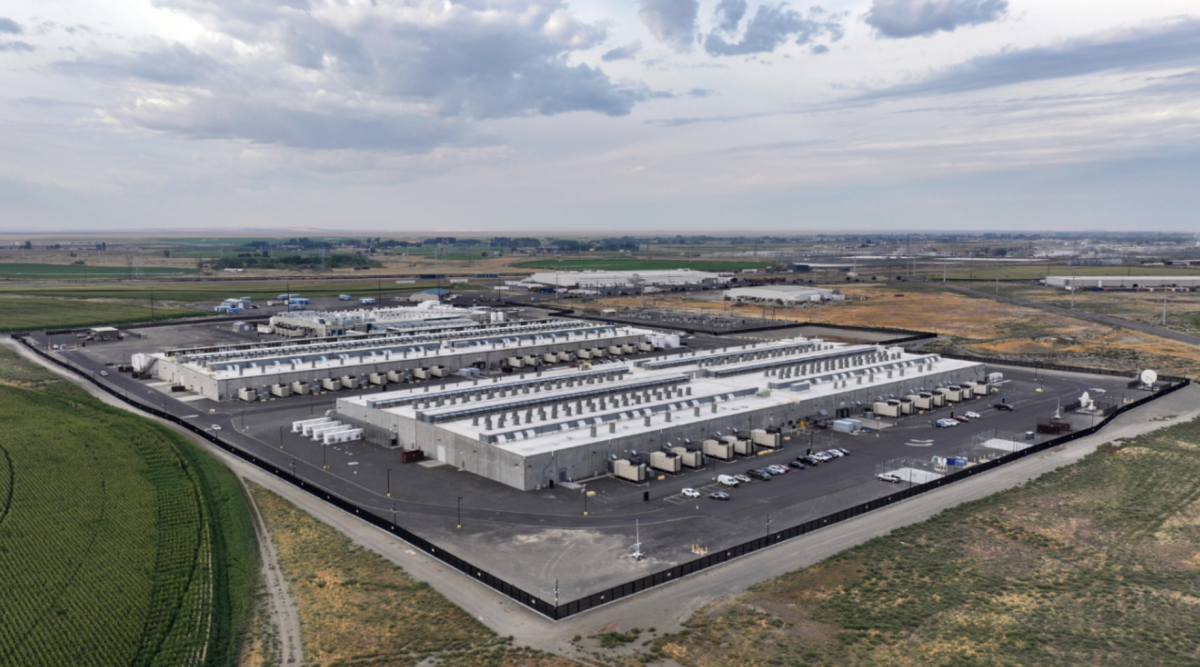
“My primary moral concern on AI is based on the negative environmental impact it has,” Mr. Fuller said. “I guess I would say that I haven’t been convinced that I or anyone else actually needs to use AI for anything, particularly when it is so damaging.”
Mr. Fuller understands how useful AI can be, but he is against it because of its environmental concerns.
“I do not have plans to implement AI into my teaching, but I am trying to be open-minded. I have my issues with AI and the way it has been forced on us so quickly, but I don’t think I would make a moral judgment of somebody using it for honest purposes.”