












Do you know someone who struggles to decide on a major or minor for college, or is unsure about their future career path? Here, at Braintree High School, students can get a jump start on pathways in healthcare and business.
Braintree High School has helped to expand career pathways, which allow students hands-on experiences in professional fields such as business and healthcare. These pathways help students to gain knowledge on a specific course, as well as get internships, real-world experiences, and certifications that will help them with their future careers before graduation.
“Students a lot of times come into high school with an idea of what they want to do, and if they don’t come in with an idea of what they want to do, they take the list and narrow it down,” career counselor Lauren Carreiro explained.
At Braintree High School, 98% of students graduate after a 4-year enrollment, well over the average in Massachusetts alone. But how many of these students prioritize college or careers after high school?
According to data from the MDESE (Massachusetts Department of Secondary Education), approximately 82-84% of students who graduate from Braintree High School attend a 2 or 4-year college or university. But this entire process is not easy for students.
Braintree High School offers two career pathways that allow students to be able to explore different fields of work, such as healthcare and business. Freshmen at Braintree High School apply through a Google form and get accepted through a response provided on the Google form. If accepted, students begin their chosen course in their sophomore year, all the way up to senior year, where they can take internships provided through the school.
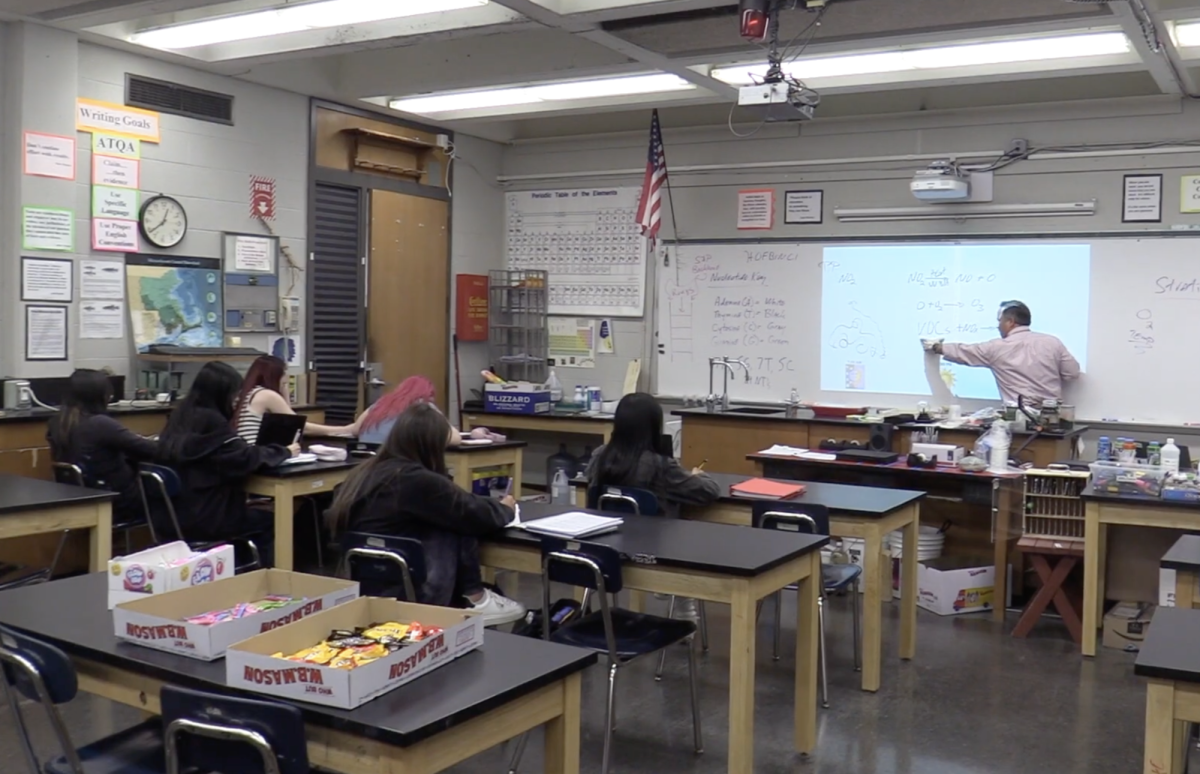
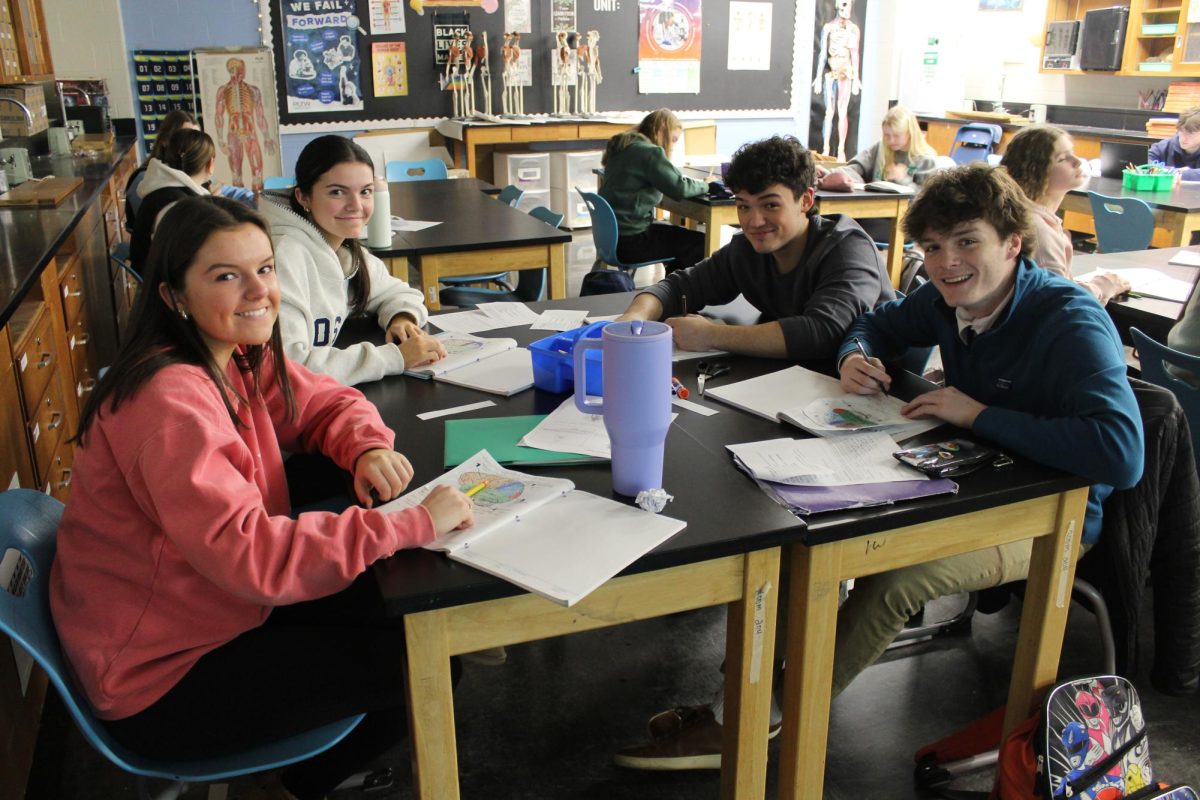
“The healthcare pathway is such a unique opportunity for students to see real-world labs and technology that they would be using in their future in healthcare,” said Ms. Saniuk, a science teacher and also one of two teachers in the healthcare pathway. “A lot of Massachusetts high schools are getting this program, but this program was not available to us when I was enrolled.”
“If someone wanted to go into healthcare, they had us take our normal biology, chemistry, physics classes and then you can learn about it when you’re in college or maybe even postgrad, so it make this such a unique experience that students can get first hand experience, start to learn these skills so that they are more prepared for competitive programs,” Ms. Saniuk continued.
The healthcare pathway specifically helps students focus on the critical thinking needed during medical situations and work on advanced, high-stress situations using a variety of equipment.
“This entire course is a project-based learning course that requires the person to have a plan, so learning and having these communication skills are the most effective for them,” said Saniuk. “In one of our units, we have learned how to take vital signs, we have actual tools to measure heart rate and take blood pressure, we have a phlebotomy arm, so students can learn how to draw blood or take IVs. We also have these fun controlled bleeding arms so students can learn how to pack a wound, or how to use a tourniquet, and we don’t have time for that in our other science classes when we have to hit so many standards.”
The more recent addition of the business pathway provides access to students by having courses and units focusing on real-world environments, which include having to run mock companies, creating marketing plans, and helping to manage budgets.
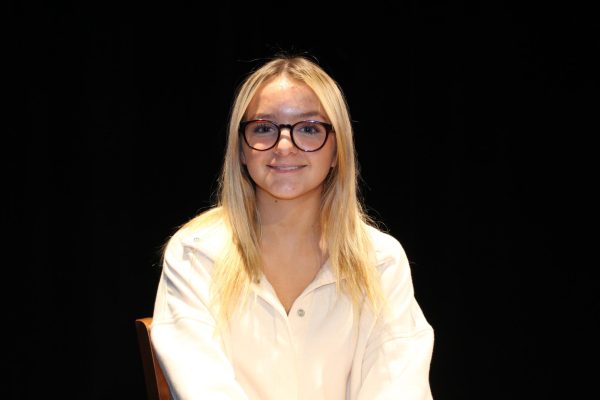
“I love that I am able to experience things in this pathway rather than just learning online,” said student Ella Fahy, currently taking the business pathway. “The real-world experience helps me improve my perspective on businesses and how to create a business in general.”
While some students feel the pressure of having to choose a career path early without having a full idea of what they want to do in their future, others see these opportunities as a guide to help them rather than limiting them.
“I knew I wanted to do something in healthcare ever since I was little,” said student Oliva Whelan, who is currently in her first year in the healthcare pathway. “Being in this class has made me realize how difficult having a job in healthcare is, so being able to get the opportunity to learn before college is extremely helpful.”
“It gives them a deeper perspective into what they think the career is,” said Carrerio. “Exposing them to all of these different experiences in that career really gives them insight into what their career is about, what the job may be like, what they like about it, but also what they might not like.”